



Find the Right Lead Management Tools for Your Firm
The best lead management tools help your firm capture every inquiry, assign it to the right person, and follow up before a potential client moves on. For a simple sales pipeline, start with Pipedrive or Freshsales. For email nurturing, look at ActiveCampaign or Brevo. HubSpot, Zoho CRM, Salesforce, and LeadSquared offer broader options for teams with more complex intake needs.
This roundup compares eight tools by what they do best. Use it to find a fit for your lead volume, budget, and current systems.
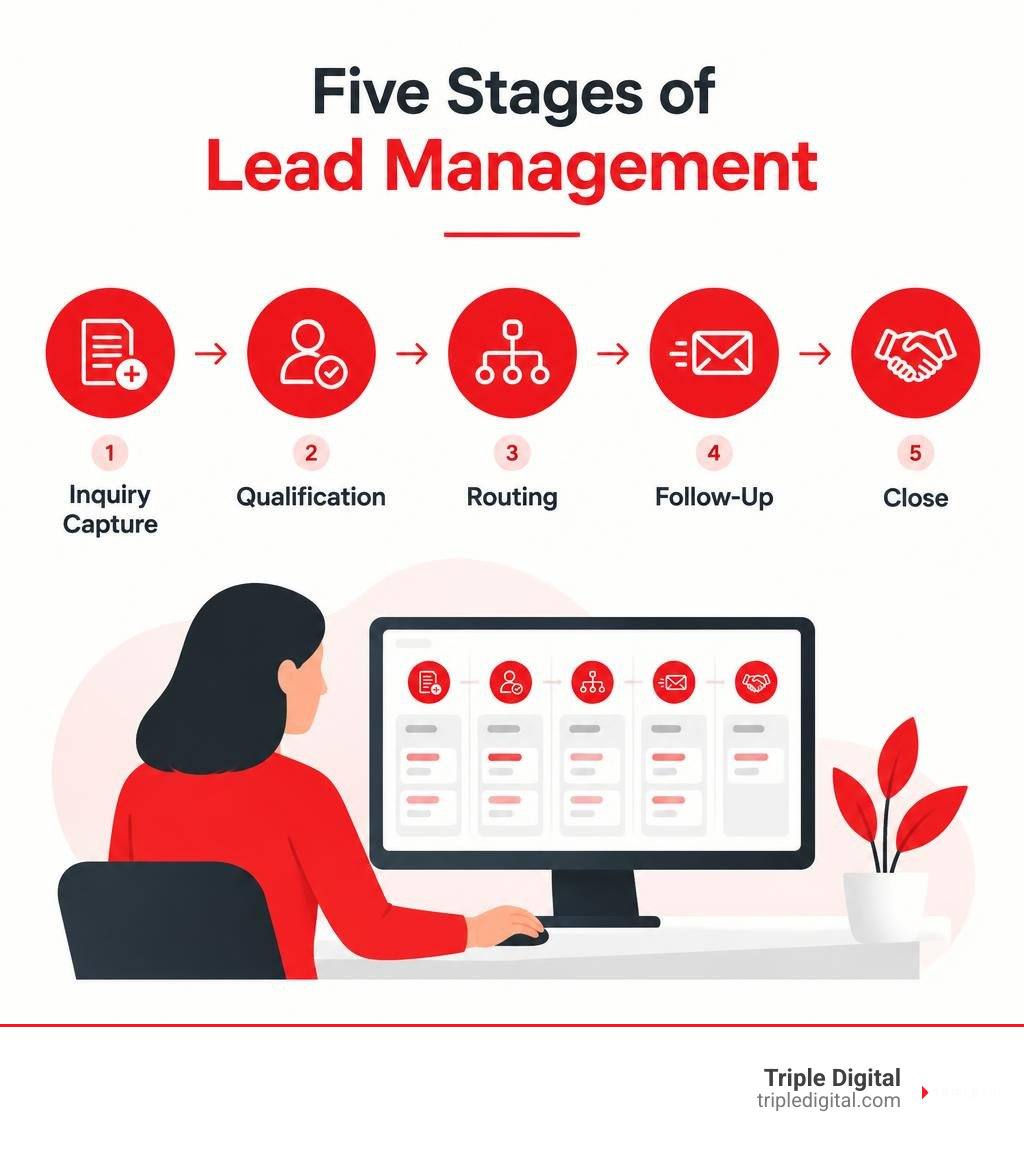
Easy lead management tools word list:
Why Pipeline Leaks Happen and What Lead Management Tools Solve
Pipeline leaks rarely happen because prospects lose interest out of nowhere. Most often, they happen because of administrative delays, scattered spreadsheets, and missed follow-ups. In fact, research indicates that 79% of marketing leads never convert into sales simply because they are not properly nurtured or engaged at the moment their intent is highest.
When an inquiry arrives, speed is everything. According to data published by the Harvard Business Review, responding to a web-generated inquiry within an hour makes an organization nearly seven times more likely to qualify that prospect. Yet without automation, many teams batch form submissions overnight, creating a 12-to-14-hour lag that allows competitors to step in first.
Implementing dedicated software fixes these breakdowns by standardizing how contacts enter your pipeline. If you want to stop leaking leads with a better B2B marketing funnel, you must eliminate manual data entry and unify your communication channels.
At Triple Digital, we see how establishing a structured intake management process prevents high-intent prospects from falling through operational cracks. Pairing that foundation with targeted conversion rate optimization tactics ensures your marketing spend translates into real revenue rather than wasted clicks.
Top 8 Software Solutions to Accelerate Sales Velocity
Selecting the right platform requires balancing your intake volume, budget, and integration requirements. To help you evaluate your options, we have compiled an overview of the top eight platforms based on verified user sentiment, entry-level pricing tiers, and primary strengths.
| Software Platform | Starting Price (Per User/Mo) | Capterra Rating | Best For | Key Differentiator |
|---|---|---|---|---|
| HubSpot Sales Hub | Free / $20 (Starter) | 4.5 / 5 (4,491 reviews) | Visual pipeline & marketing alignment | Unified inbound ecosystem and native content tools |
| Salesforce Sales Cloud | $25 | 4.4 / 5 (18,813 reviews) | Complex enterprise pipelines | Deep territory management and advanced rule engines |
| Zoho CRM | Free / $14 (Standard) | 4.3 / 5 (300k+ global users) | Omnichannel AI routing | Zia AI predictive scoring and 45+ suite apps |
| Pipedrive | $14 | 4.5 / 5 (3,064 reviews) | Activity-based sales tracking | Visual drag-and-drop deal management |
| ActiveCampaign | $15 | 4.6 / 5 (2,571 reviews) | Behavioral nurturing automation | Multi-channel automated sequences and tagging |
| Freshsales | $9 | 4.5 / 5 (G2/Capterra) | Fast setup with built-in AI | Freddy AI lead enrichment and call management |
| Brevo | Free / $9 | 4.6 / 5 (3,525 reviews) | Multi-channel messaging | Integrated SMS, WhatsApp, and transactional emails |
| LeadSquared | $25 | 4.4 / 5 (G2 verified) | High-volume distribution | Auto-assignment logic and field sales tracking |
Refining your technology stack starts with optimizing your lead management system workflow to ensure your team never misses a critical touchpoint.
1. HubSpot Sales Hub: Best Visual Tracking and Native Inbound Alignment
HubSpot Sales Hub remains an industry benchmark for organizations looking to align their marketing generation efforts with their daily sales pipeline. It bridges top-of-funnel activity directly into a visual board where deals can be dragged through distinct stages.
- Core Strengths: Intuitive user interface, seamless connection with HubSpot Marketing Hub, native meeting scheduling links, and comprehensive interaction history logs.
- Standout Feature: Inbound lifecycle tracking that records every page view, downloaded resource, and form submission right on the contact record.
- Considerations: While HubSpot offers a capable free plan, moving into advanced automation, custom reporting, and predictive scoring requires upgrading to their Professional tier ($90 to $450/month), which can quickly escalate total software costs.
For organizations building out an initial pipeline, following a step-by-step guide to lead tracking tools will help you map deal stages accurately within HubSpot.
2. Salesforce Sales Cloud: Enterprise Lead Management Tools for Complex Routing
Salesforce Sales Cloud is the premier choice for large organizations with intricate sales organizations, multi-tiered partner networks, and sophisticated distribution requirements.
- Core Strengths: Highly customizable database architecture, deep enterprise security compliance, and an extensive third-party application ecosystem via the AppExchange.
- Standout Feature: An enterprise-grade routing engine capable of handling complex round-robin algorithms, geographical territories, and multi-variable qualification rules.
- Considerations: The sheer depth of Salesforce means it comes with a steep learning curve and frequently requires a dedicated administrator to build and maintain workflows.
If your team is assessing whether an enterprise platform fits your current scale, reviewing a curated list of 10 lead tracking software platforms can provide additional context on how Salesforce compares to lighter alternatives.
3. Zoho CRM: Best AI-Powered Omnichannel Engagement and Zia Scoring
Zoho CRM delivers enterprise-level capability at a fraction of typical enterprise costs. It functions as the central sales hub inside Zoho’s comprehensive ecosystem of business applications.
- Core Strengths: Omnichannel communication tracking across email, live chat, phone, and social channels, supported by native integration with over 45 Zoho applications.
- Standout Feature: Zia, Zoho’s built-in AI assistant, which analyzes past conversion data to score incoming inquiries, detect anomalies in sales activity, and suggest optimal times to contact prospects.
- Considerations: While cost-effective, custom module setup and advanced reporting configurations can feel disjointed for teams unfamiliar with Zoho’s administrative backend.
Zoho claims its AI-driven omnichannel architecture can boost lead conversion rates by up to 300% when teams actively implement automated follow-up rules.
4. Pipedrive: Best Activity-Based Visual Pipeline for Fast Sales Cycles
Pipedrive was designed by salespeople for salespeople, focusing entirely on pipeline velocity and daily activity management.
- Core Strengths: Clean, drag-and-drop visual interface, automated activity reminders, simple setup, and reliable mobile functionality.
- Standout Feature: Activity-based selling methodology, which keeps reps focused on scheduled actions (calls, demos, follow-ups) rather than just passive deal monitoring.
- Considerations: Pipedrive prioritizes sales pipeline mechanics over complex marketing automation; top-of-funnel email drip sequences or lead enrichment often require connecting third-party add-ons.
Teams looking to turn their pipeline into a steady revenue engine can pair Pipedrive’s visual boards with our conversion optimization guide to identify where prospects stall between stages.
5. ActiveCampaign: Best for Automated Lead Nurturing and Behavioral Segmentation
ActiveCampaign bridges marketing automation and sales management, making it an exceptional tool for companies that rely on multi-touch email sequences to warm up prospects.
- Core Strengths: Visual automation workflow builder, conditional logic, contact tagging, and dynamic email personalization.
- Standout Feature: Behavioral lead tracking, which updates contact scores dynamically based on email opens, link clicks, and specific website page visits.
- Considerations: The CRM pipeline functionality is simpler than dedicated platforms like Salesforce, meaning teams with complex sales structures may need to pair it with a standalone CRM.
For organizations building long-term outreach funnels, our B2B lead generation funnel guide illustrates how to structure behavioral drip triggers to re-engage cold accounts.
6. Freshsales: Best Low-Complexity Solution with Freddy AI Scoring
Freshsales provides growing teams with an all-in-one CRM and contact management system that minimizes administrative overhead.
- Core Strengths: Built-in cloud telephony, native email integration, website tracking, and clean pipeline views.
- Standout Feature: Freddy AI, which automates contact data enrichment by pulling public company information and scoring prospects based on predictive engagement patterns.
- Considerations: While highly functional for SMBs and mid-market teams, advanced enterprise custom reporting options are more limited compared to Salesforce.
Starting at $9 per user per month, Freshsales offers a low barrier to entry for businesses seeking intelligent scoring without enterprise software complexity.
7. Brevo: Best Multichannel Messaging and Transactional Lead Follow-Up
Formerly known as Sendinblue, Brevo has evolved into a robust multi-channel platform combining email marketing, SMS campaigns, WhatsApp outreach, and basic sales pipelines.
- Core Strengths: Generous contact-storage limits, unified inbox for customer conversations, flexible API for transactional notifications, and European GDPR-compliant hosting.
- Standout Feature: Multi-channel workflow triggers that let you send an immediate SMS or WhatsApp notification the moment a high-priority web inquiry lands.
- Considerations: Brevo’s pipeline tracking is relatively basic, making it ideal for communication-driven sales models rather than multi-stage enterprise deal negotiations.
With an 86% recommendation rate on Capterra, Brevo is especially effective for organizations that want direct, mobile-first touchpoints with prospective clients.
8. LeadSquared: Best High-Volume Intake Distribution and Speed-to-Lead
LeadSquared is engineered specifically for organizations handling high volumes of inbound inquiries that need instantaneous qualification, distribution, and response tracking.
- Core Strengths: Zero-lead-leakage architecture, automated task triggers, field sales tracking, and pre-built operational distribution logic.
- Standout Feature: High-velocity distribution engines that automatically route incoming web forms and phone calls to available reps based on custom availability and skill sets.
- Considerations: The interface is focused primarily on utility and operational speed rather than modern aesthetic design.
To see how high-volume routing fits into a complete organizational intake strategy, consult our definitive guide to intake management solutions.
Key Capabilities: Scoring, Routing, and Integration Frameworks
Modern platforms do much more than store contact records; they act as intelligent traffic controllers for your entire sales organization.
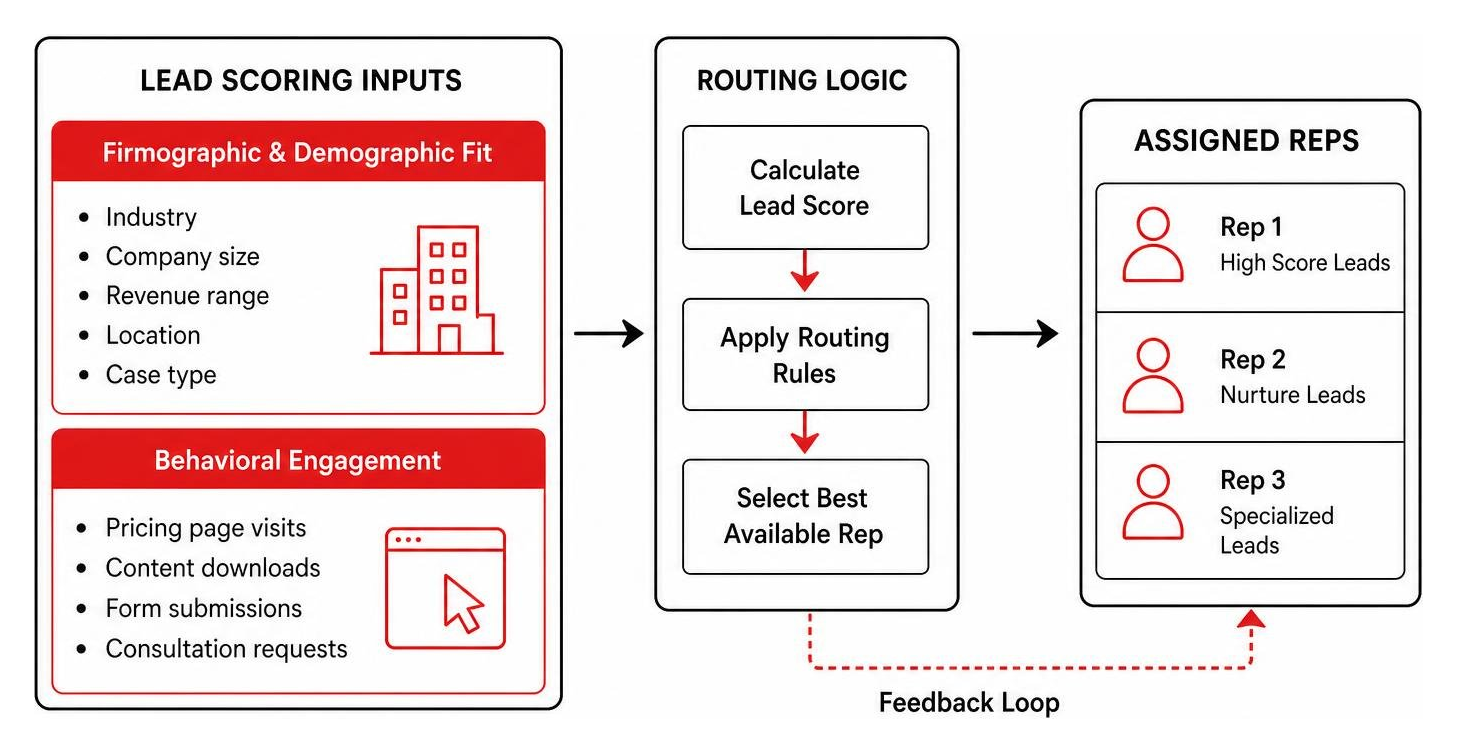
How Lead Scoring and Dynamic Routing Maximize Response Speed
Lead scoring evaluates prospects by combining two data streams:
- Demographic and Firmographic Fit: Evaluating whether the inquiry matches your target criteria (such as geographic market, company revenue, or specific case type).
- Behavioral Engagement: Tracking high-intent digital actions, such as visiting a pricing page multiple times, downloading intake guides, or submitting a consultation request.
When a prospect crosses a predefined qualification threshold, dynamic routing rules immediately assign the record to an available team member using round-robin or skill-based logic. In specialized service industries, implementing standardized legal intake process steps alongside automated routing ensures high-priority inquiries receive an immediate response.
Selecting Modern Lead Management Tools for Business Size and Integration Needs
When evaluating software, consider the total ecosystem required to support your operational goals. Connecting marketing channels to your pipeline often requires dedicated tracking numbers to track leads accurately back to their original ad campaigns.
Furthermore, integrating your platform with custom databases, email servers, and document repositories eliminates manual data transfers. Organizations interested in scaling efficiently can review our guide on process automation for growth to identify high-impact integration opportunities.
Frequently Asked Questions About Lead Tracking and Intake
What is the main difference between lead management software and a CRM?
Lead management software focuses primarily on top-of-funnel activity: capturing incoming traffic, scoring prospects based on buying intent, routing inquiries to team members, and nurturing cold contacts. A Customer Relationship Management (CRM) platform manages the entire ongoing relationship, including deal management, contract execution, service delivery, and post-sale retention. Many modern platforms combine both functions, though specialized intake software remains essential for high-velocity front-end qualification.
How much do modern lead platforms typically cost in 2026?
Most solutions follow a software-as-a-service (SaaS) model billed per user per month across three general tiers:
- Entry-Level ($9 to $15/user/month): Basic contact storage, simple visual pipelines, manual scoring, and standard email templates (e.g., Freshsales, Pipedrive).
- Mid-Tier ($15 to $45/user/month): Automated workflow builders, dynamic behavioral tagging, multi-channel messaging, and basic AI scoring (e.g., Zoho CRM, ActiveCampaign).
- Enterprise ($45+ to $150+/user/month): Advanced AI predictive engines, complex territory routing, custom database permissions, and dedicated onboarding support (e.g., Salesforce Sales Cloud, HubSpot Professional).
How do AI features improve lead qualification and conversion rates?
AI engines enhance conversion rates by analyzing historical pipeline outcomes to score new inquiries in real time. Rather than relying on guesswork, algorithms evaluate engagement patterns, automatically enrich missing contact information from public records, transcribe phone inquiries, and trigger contextual follow-up messages instantly, allowing sales teams to focus their efforts on prospects most likely to close.
Maximize Your Pipeline Velocity and Convert More Inquiries
Choosing the right software is the first step toward stopping pipeline leaks and turning cold inquiries into engaged clients. By automating your capture, scoring, and follow-up sequences, your team can respond within minutes instead of hours.
At Triple Digital, we focus on helping professional service firms eliminate operational bottlenecks, capture high-value inquiries, and build sustainable client pipelines. To upgrade your intake strategy and gain total visibility over your revenue funnel, explore our specialized approach to law firm lead tracking today.